
The problem
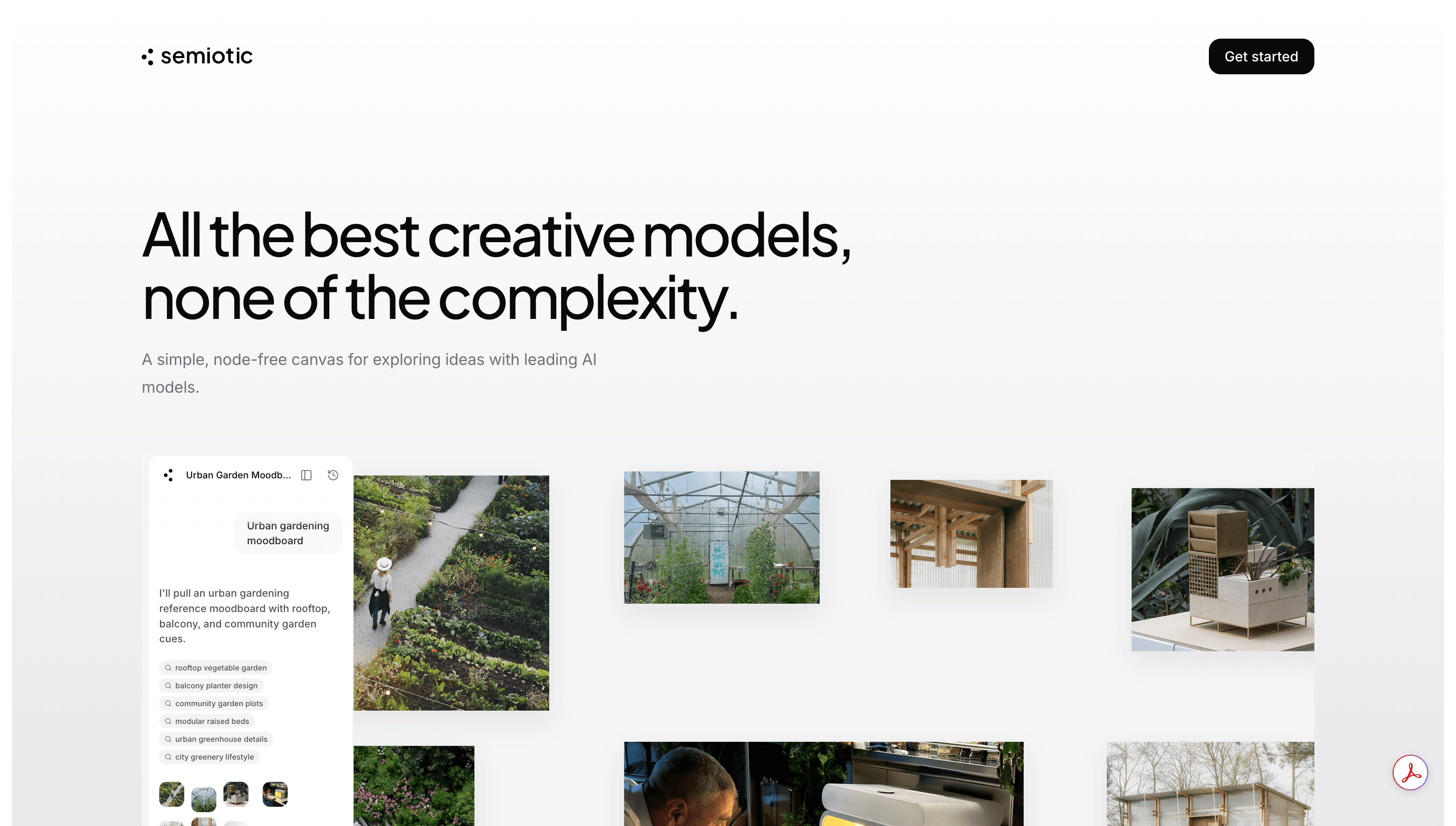
Semiotic ships landing pages for YC-backed startups, where launch dates don't move. Pinned comments replaced Slack threads and Loom videos and cut time-to-launch by 40%.
Every page followed the same painful loop. Semiotic delivered a staging link, and the startup's feedback started arriving: the founder had copy changes, the design-minded co-founder had visual ones, the growth lead wanted the CTA moved. All of it landed as Slack messages, Loom videos, and the occasional annotated screenshot, spread across a week.
Then the interpretation began. "Make the CTA more prominent" is a clear instruction to the person who wrote it and a multiple-choice question to the developer reading it. The team guessed, sometimes correctly. A second link went out, a second wave of Slack came back, and the launch date quietly moved. Nobody was being difficult. A chat thread is simply a terrible medium for describing changes to a visual, interactive thing, and both sides were paying for it.
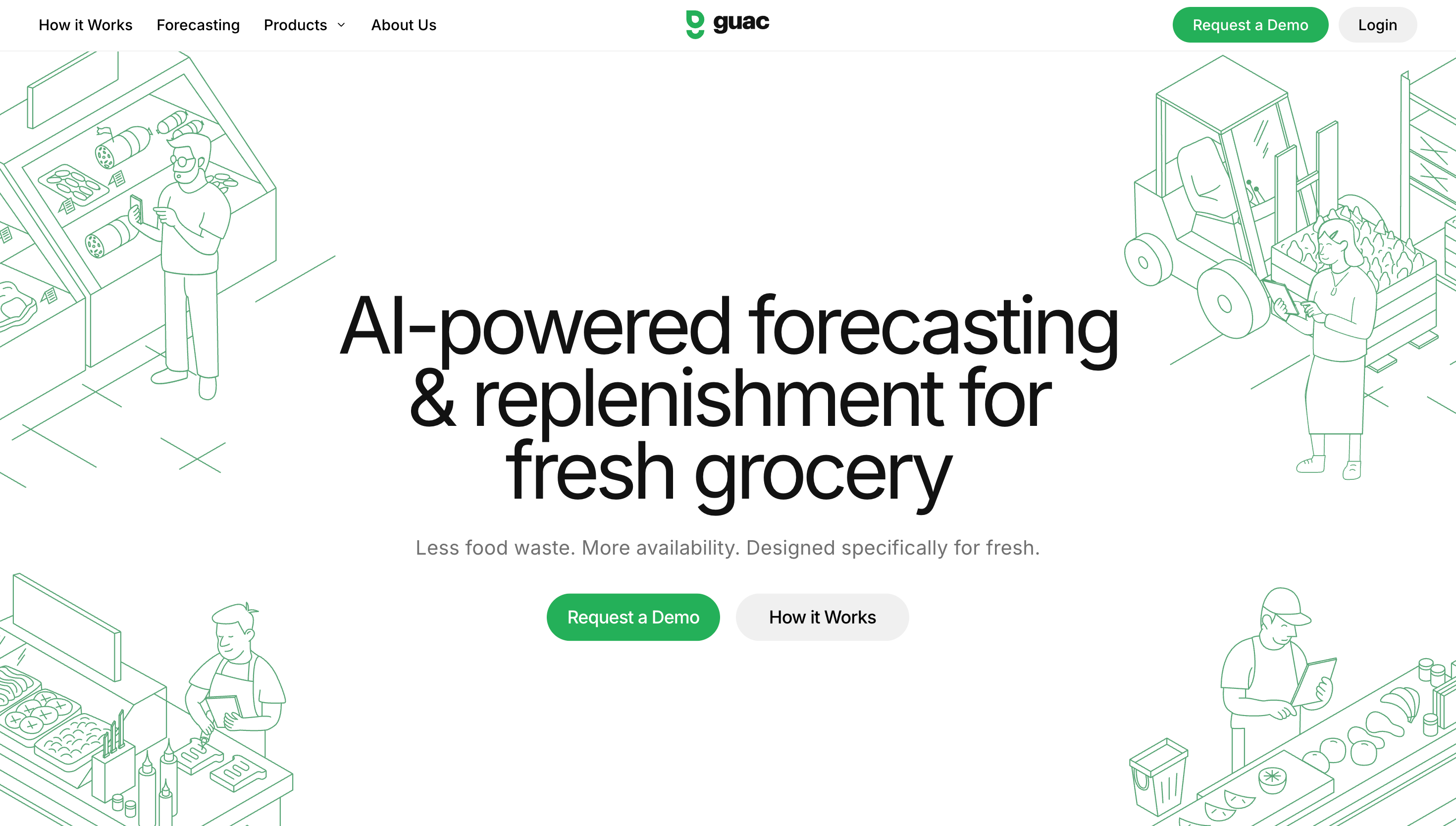
Mobile was the blind spot that hurt most. Founders reviewed on laptops, so mobile issues surfaced after launch, exactly when the page was already catching traffic from a launch tweet or a paid campaign, most of it arriving on phones. For a studio whose whole pitch is speed, a broken mobile hero on launch morning is the worst possible bug.
How they use Inlyne
Now Inlyne goes on every staging build as part of Semiotic's delivery process. When a page is ready, one link goes out, and everyone on the startup side comments directly on the actual page, under their own name.
That fixed the Slack thread's core disease: feedback without an address. The founder's copy note and the co-founder's spacing note sit as separate threads on the elements they're about, and when they conflict, the founders resolve it between themselves before Semiotic ever touches the page. And because comments capture the viewport they were made on, founders review on their phones as a standard step, so mobile feedback arrives labeled as mobile feedback.
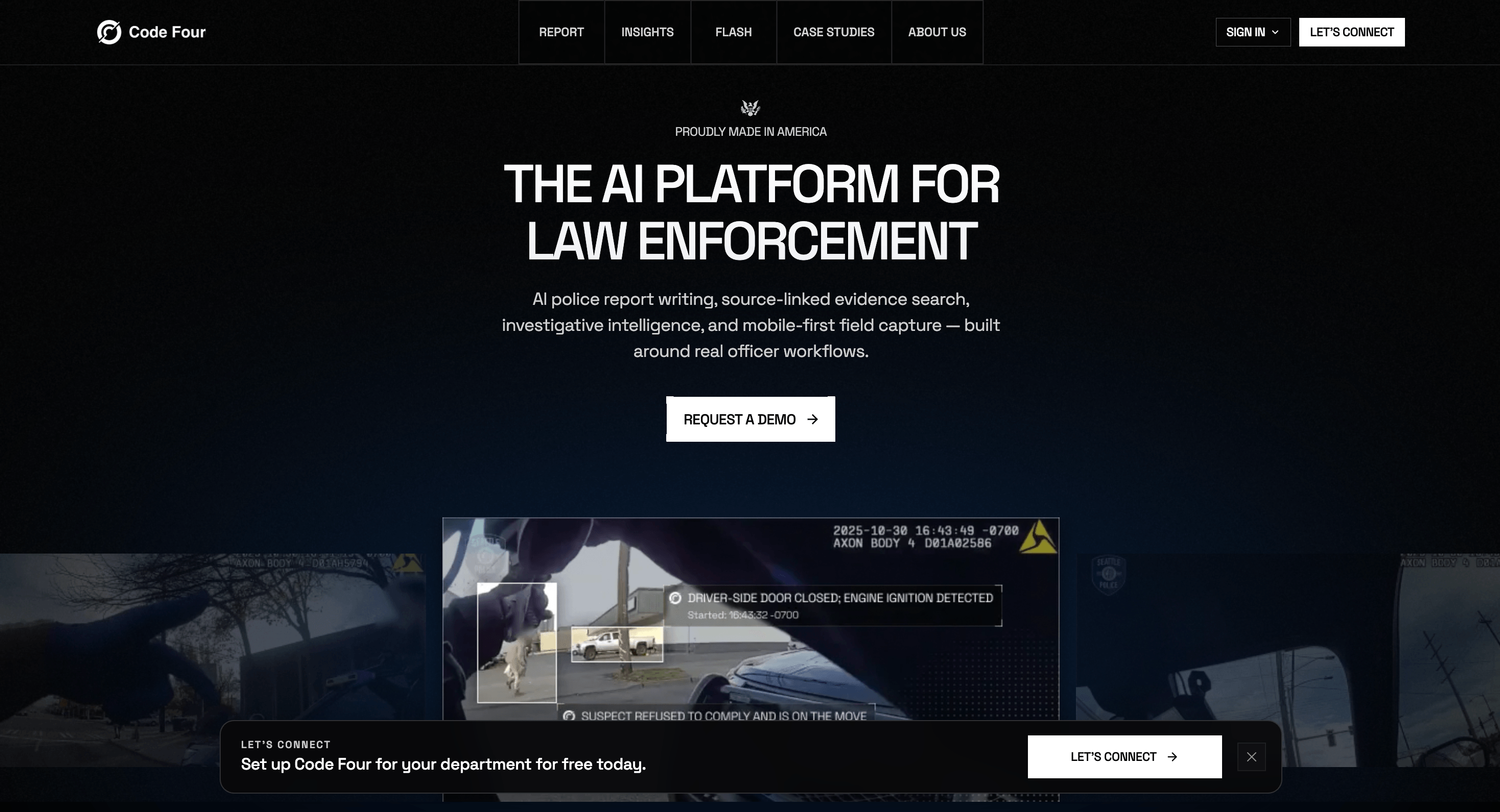
Semiotic's developers work straight through the comment list without a single clarification message, resolving pins as fixes ship, and the client watches the page converge on done in real time instead of asking for status.
The result
Pages that took two to three weeks of back and forth now launch in days. The studio ships more than a dozen a month, reviewed across desktop, tablet, and mobile. The launch-morning mobile disasters stopped. And because startups can plan launches against dates they actually trust, Semiotic's turnaround became the thing clients mention when they refer the studio to the next batch.
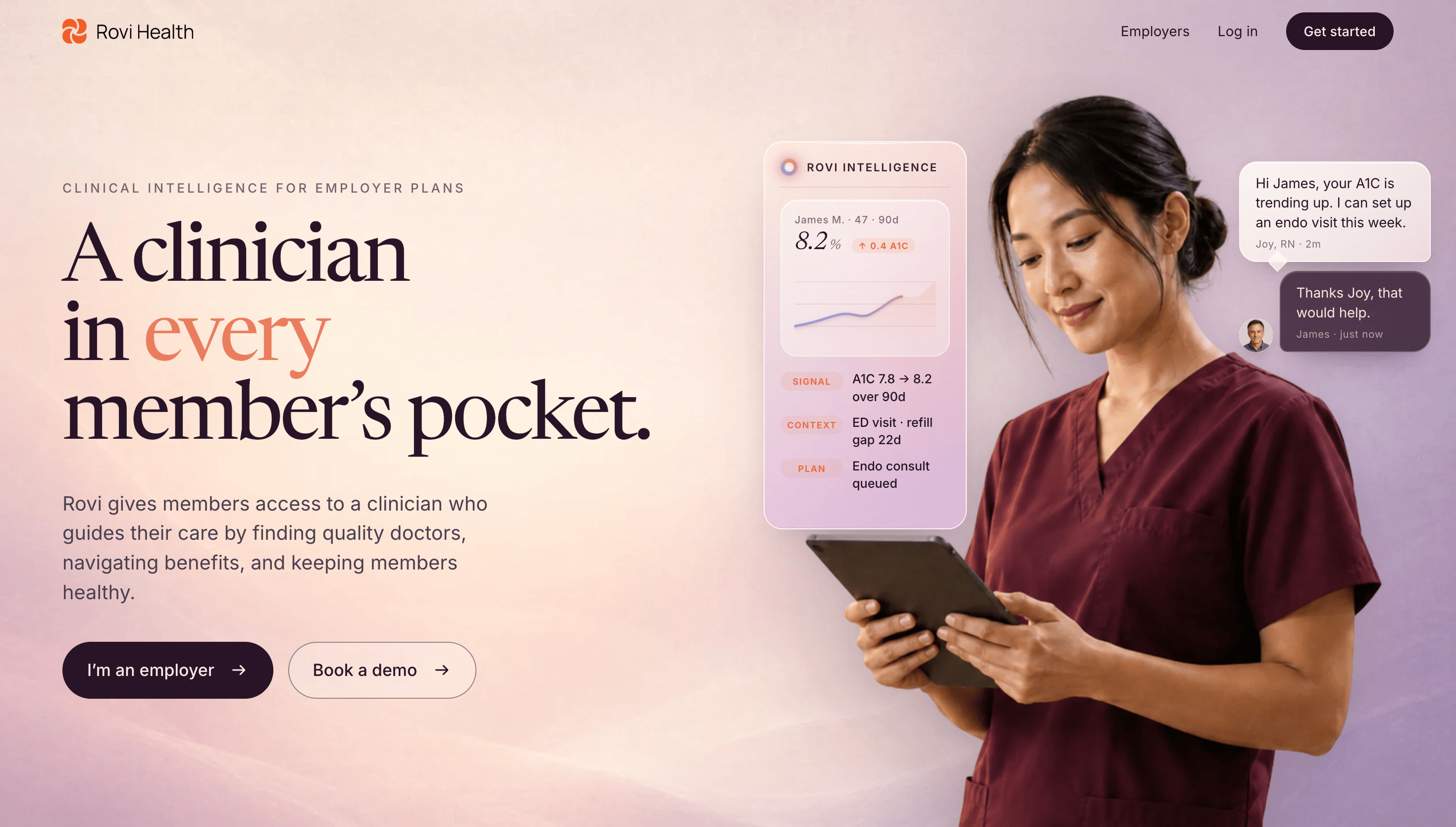
The unexpected outcome was fewer disputes about scope. "That's not what we asked for" conversations simply stopped happening, because both sides can point at the comment and its resolution. For fixed-price landing page work, killing ambiguity is the same thing as protecting the margin.